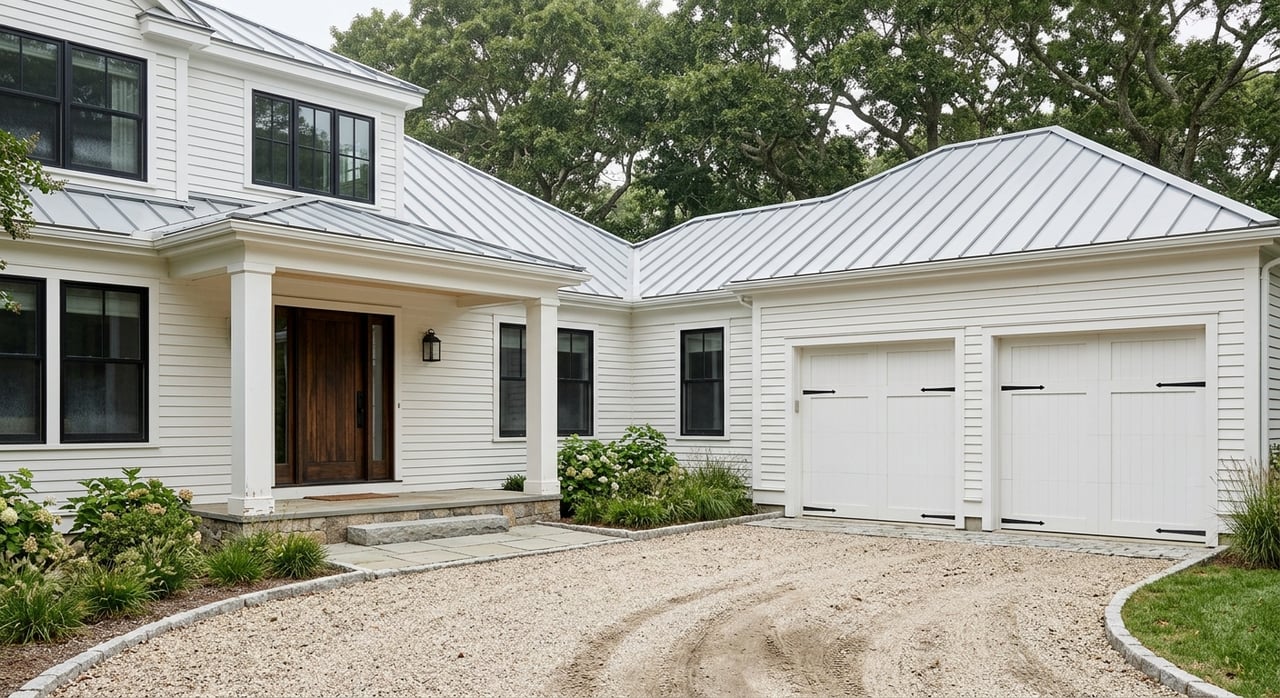
If you are thinking about buying a custom home on Crane Island, you are not just buying a house lot. You are choosing a setting, a design process, and a timeline that looks very different from a typical resale purchase. For many buyers, especially if you are relocating or buying from out of town, that can feel exciting and a little overwhelming at the same time. This guide will help you understand what to expect, what questions to ask early, and how to approach the process with more confidence. Let’s dive in.
Crane Island Is a Limited-Inventory Community
Crane Island is a private, gated community in Fernandina Beach with custom homes, water access, preserved maritime forest, and Lowcountry-inspired architecture. According to the community, there are 112 total properties and 14 homesites remaining. That matters because you are shopping in a late-stage community, not one with wide-open inventory and endless choices.
In practical terms, limited inventory can shape both your timing and your decision-making. If you are considering a homesite, a completed custom home, or a portfolio-home option, it helps to move into the process with a clear sense of your priorities. You may need to weigh location, view, and build path more carefully because every remaining opportunity is a little different.
The community also publishes directional pricing that reflects its luxury position. Homesites are presented from about $450,000 to $2 million, while completed custom homes are shown from roughly $2.2 million to $16 million. Those figures can change, but they help set expectations for the level of investment involved.
Your Three Main Buying Paths
Finished Home Purchase
If you want the most predictable path, a completed home may be the simplest option. You can evaluate the design, layout, finishes, and setting up front rather than making those decisions over many months. This route can work well if you love Crane Island but do not want to manage a custom build.
A finished home also gives you a clearer picture of total cost at the time you buy. You still need to do normal due diligence, especially around flood considerations and insurance, but you are not starting from a blank slate. For buyers who value certainty, this can be the easiest way to enter the community.
Homesite for a Custom Build
Buying a homesite gives you the most freedom, but it also asks the most from you. You will need to choose the lot, work through design decisions, select from the community’s approved builder and architect network, and move through review and permitting before construction begins.
This path is often the best fit if you care deeply about tailoring the home to your lifestyle. It can also be the right move if view lines, porch orientation, privacy, and indoor-outdoor living are high on your list. Just remember that this is a multi-stage process, not a fast transaction.
Portfolio Home Option
Crane Island also offers a Portfolio Homes program for buyers who want a more streamlined experience. The idea is to provide a running start on design while reducing some of the uncertainty that comes with a fully custom home.
If you like thoughtful design but want more confidence around timing and cost, this option is worth exploring. It can offer a middle ground between a finished home and a true blank-slate build. For many buyers, that balance feels more manageable.
How to Choose the Right Homesite District
On Crane Island, lot type matters just as much as lot size. The community is organized into four homesite districts, and each one creates a different day-to-day experience. Before you focus on square footage, it helps to think about how you want the property to feel.
Waterfront Homesites
Waterfront lots offer direct Intracoastal Waterway frontage and broad sunset views. Some may also have potential private dock eligibility. If boating access and open water views are central to your vision, this category may rise to the top of your list.
That said, waterfront living often comes with more variables to review. You will want to ask early about dock possibilities, view protections, and any site-specific conditions that could affect design and budget.
Marsh Homesites
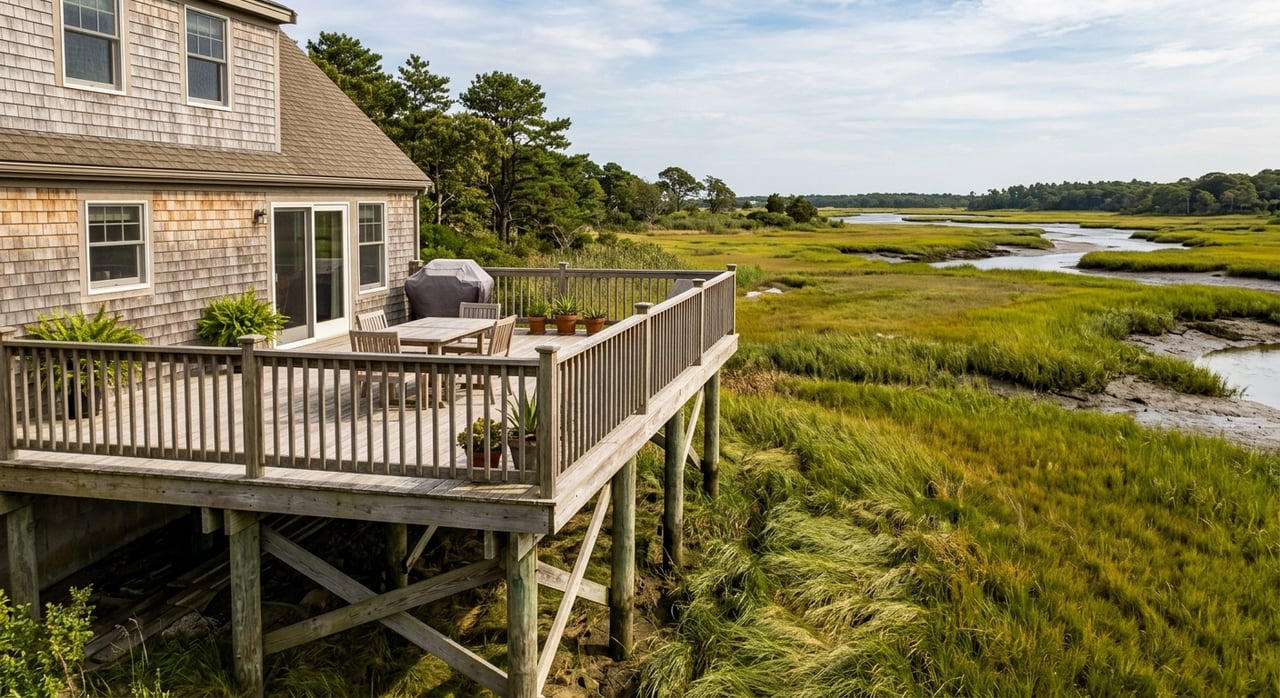
Marsh lots sit along the tidal edge and are known for privacy. Crane Island notes a 30-foot vegetated buffer in these areas, which can create a peaceful, layered natural setting.
If you are drawn to a more tucked-away feel, this type of homesite may be especially appealing. It can be a strong match for buyers who value privacy, native landscape, and a softer relationship to the water.
Parkside Homesites
Parkside homesites sit near Alice Park and the clubhouse, with 800 feet of park frontage. These lots may appeal to buyers who want convenient access to shared outdoor spaces and a more connected feel within the community.
For some buyers, being near central amenities is a major plus. For others, a quieter setting may matter more. This is where your lifestyle should guide the decision.
Forest Homesites
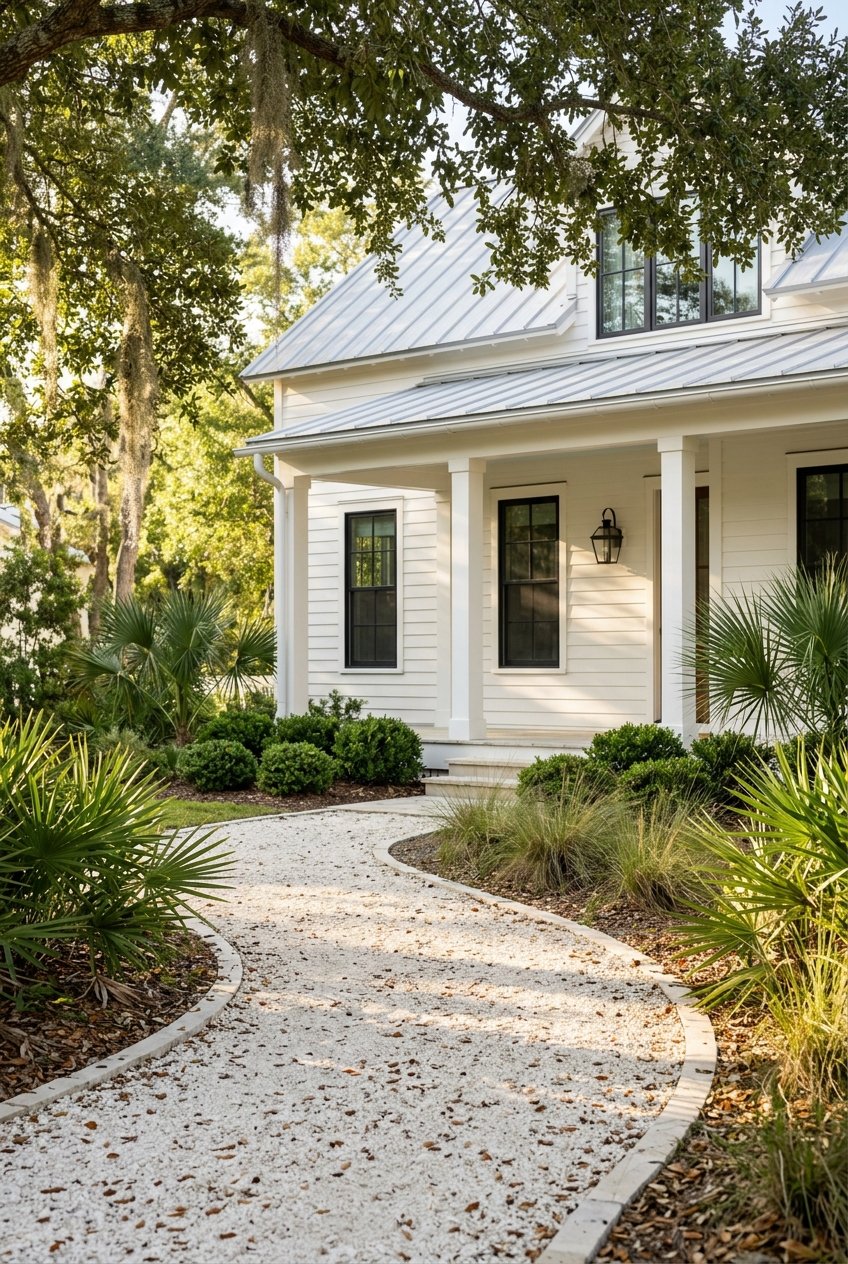
Forest homesites are set deeper in the maritime forest among live oaks. The atmosphere is quieter and more secluded, which can be a great fit if you want a strong sense of retreat.
These lots may appeal to buyers who prioritize shade, tree canopy, and privacy over open-water views. If your ideal home feels calm, hidden, and grounded in the landscape, this category deserves a close look.
Expect Design Rules, Not Design Freedom
One of the biggest surprises for custom-home buyers is that a custom community does not mean unlimited choice. Crane Island has intentionally restrictive design guidelines created by Historical Concepts. The goal is a cohesive community character, not a mix of unrelated home styles.
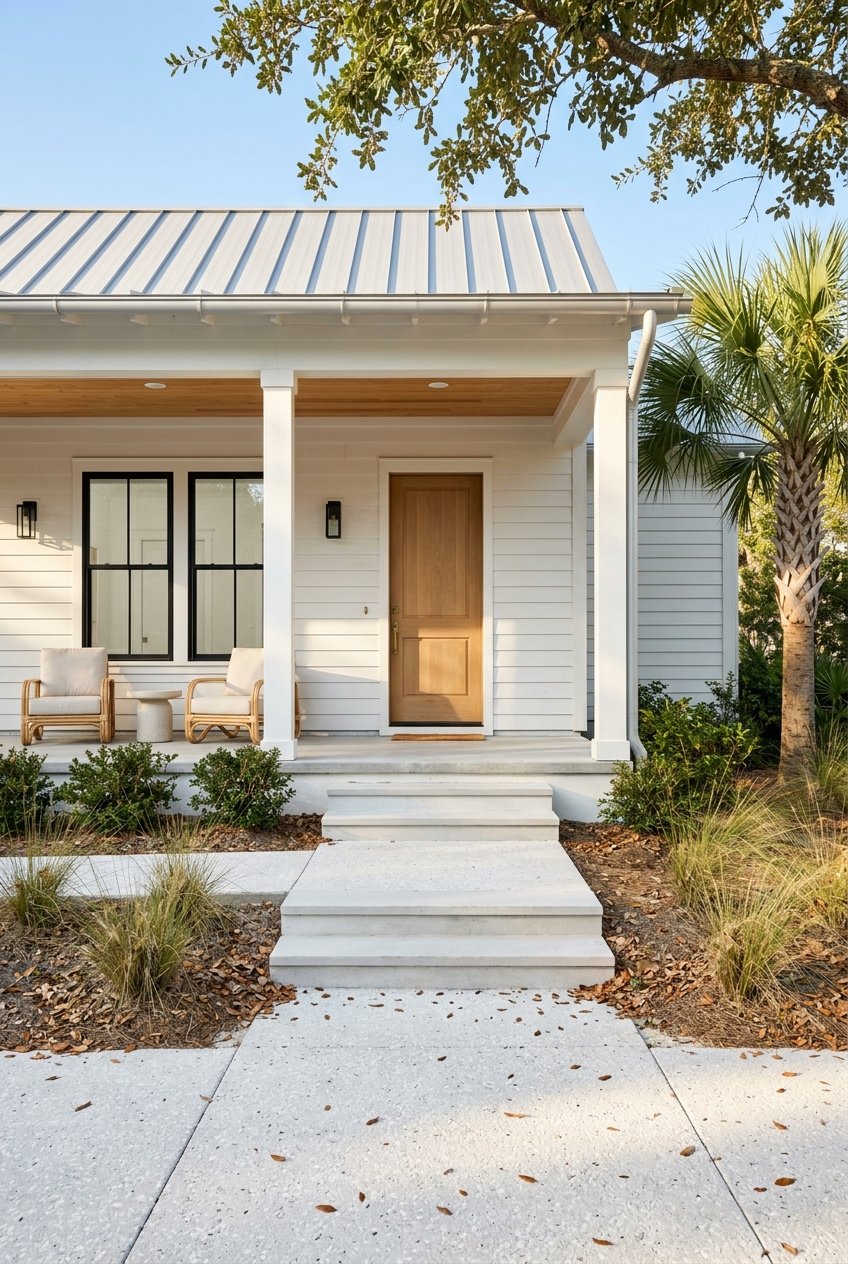
The approved architectural styles are Florida Homestead, Amelia Artisan, Island Contemporary, and New Caribbean. The community also states that vinyl siding is not allowed, metal roofs are encouraged, and plans should not be repeated too closely on the same street. The Architectural Review Committee has enforcement authority, so these guidelines carry real weight.
For you, that means the design process starts with clear boundaries. Many buyers actually find that helpful because it narrows the field and keeps the community visually consistent. Still, it is important to understand early that your architect and builder will be designing within a framework.
The Setting Adds Value Beyond the Lot
Crane Island says nearly 45% of the island’s land mass is reserved for public space. That includes Alice Park, the 15-acre Crane Island Park, and the 2.5-mile River to Sea Trail. This preserved setting is a major part of what buyers are paying for.
When you compare homesites, look beyond lot lines. The value of a property here is closely tied to the surrounding open space, tree canopy, trails, and water relationships. In a custom community like this, the environment around your home can matter just as much as the home itself.
The Custom Build Process Takes Time
Crane Island describes the process in a straightforward sequence: homesite selection, architect engagement, builder selection, design review, then construction and completion. That structure is helpful because it shows you the path ahead. It also shows why patience matters.
According to the community, a custom coastal home typically takes 18 to 24 months from permit approval, depending on complexity and site conditions. That timeline does not include the earlier planning and design stages. If you are expecting a quick move, a custom build may feel slower than you want.
This is why it helps to think in phases. First you secure the right opportunity, then you assemble the team, then you move through approvals, and only after that does full construction begin. Buyers who go in with realistic expectations usually feel much more comfortable.
You Will Work Within a Curated Team Structure
Crane Island says buyers work with a curated network of more than 15 architectural firms and a select team of builders. The builders page lists Cabana Lane, Cole Builders, Hickory Creek Builders, Pickett Construction, and Riverside Homes Custom among the participating custom builders.
That does not mean every decision is made for you, but it does mean the community has a defined process and approved participants. If you already have a favorite builder or architect, confirm early whether they fit the community structure. This is one of the most important expectation-setting conversations to have at the start.
Do Flood and Permit Research Early
In coastal property, flood planning should start before you commit, not after. The City of Fernandina Beach says almost all permitted development within the city requires floodplain review. The city also notes that the 8th Edition Florida Building Code is the current code in effect for building-code regulations.
The city further explains that substantial damage or substantial improvement can trigger elevation and other compliance requirements. On a custom home, that makes flood zone, finished-floor elevation, and insurance planning important early topics. These are not small details to sort out at the end.
The city also offers a public flood website where users can search by address and view flood zone information, base flood elevation, design flood elevation, and related warnings. For a buyer, that makes it easier to begin due diligence before a lot goes under contract.
Confirm Jurisdiction Before You Build
Although Crane Island uses a Fernandina Beach address, buyers should confirm parcel-level jurisdiction early. The City of Fernandina Beach and Nassau County use different permitting systems. That distinction can affect how your project moves through approvals.
The city administers land-use regulation through its local permitting process for development within municipal boundaries. Nassau County’s Building Department processes permits and inspections in the county’s unincorporated areas. If you are building a custom home, knowing which system applies is an important first step.
Budget for More Than Land and Construction
Luxury buyers sometimes focus so heavily on lot price and construction cost that they overlook the surrounding fees. Fernandina Beach’s current fee schedule shows several additional items that can apply to new home construction before permitting. These include utility impact fees and connection fees, along with other review and permitting costs.
The fee schedule also lists an address assignment fee, general building permit, driveway permit for city rights-of-way, zoning review fee, school impact fee, and municipal impact fees. For properties in a Special Flood Hazard Area or Shaded X, the schedule lists a $150 flood administration fee. While every project is different, these line items show why your budget should include more than the purchase contract and builder proposal.
The same fee schedule states that private-provider plan review and inspections must be pre-approved by the Building Official. If your design and construction team uses that route, make sure the approval path is discussed early.
Insurance Should Be Part of the Early Conversation
Fernandina Beach participates in FEMA’s Community Rating System and currently has a Class 5 CRS rating. The city says this results in a 25% discount on flood-insurance rates for residents and business owners within a Special Flood Hazard Area, and up to a 10% discount for properties in Zone X or outside an SFHA.
That discount is helpful, but it does not remove the need for careful planning. Nassau County also reminds property owners that standard homeowners insurance does not cover flood damage, so separate flood coverage is a normal part of the conversation for barrier-island property. If you are comparing homesites, insurance implications should be on your checklist from day one.
What to Ask Before You Commit
Before you move forward with a Crane Island purchase, try to get clear answers to a few practical questions:
- Which homesite district best fits how you want to live: waterfront, marsh, parkside, or forest?
- Is dock access possible on the specific lot, and what restrictions apply?
- Which approved architectural style best matches your taste and budget?
- Will your preferred builder and architect fit within the community’s curated network?
- How long is the likely timeline from lot purchase to completion?
- What extra costs should you expect for permitting, flood review, and insurance?
These questions can help you sort emotional excitement from real-world fit. That is especially important in a luxury custom market where every decision carries long-term impact.
If you are considering Crane Island, a calm and informed approach can make the experience much smoother. The community offers a distinctive setting and a thoughtful custom-home model, but success usually comes from understanding the process before you fall in love with a specific lot or concept. If you want local guidance as you weigh homesites, builders, timing, and coastal due diligence, Shannon Moore can help you navigate the Crane Island buying process with clarity and care.
FAQs
What are the buying options at Crane Island in Fernandina Beach?
- Buyers can choose from a finished home, a homesite for a custom build, or a portfolio-home option designed to streamline the process.
How long does a custom home on Crane Island usually take to build?
- Crane Island says a custom coastal home typically takes 18 to 24 months from permit approval, depending on complexity and site conditions.
What homesite types are available on Crane Island?
- The community identifies four homesite districts: waterfront, marsh, parkside, and forest, each with a different relationship to water, open space, and privacy.
What architectural styles are approved on Crane Island?
- Crane Island publishes four approved styles: Florida Homestead, Amelia Artisan, Island Contemporary, and New Caribbean.
What should buyers know about flood planning for Crane Island property?
- Buyers should research flood zone, base flood elevation, design flood elevation, finished-floor elevation, and flood-insurance needs early in the process.
What extra costs should buyers expect when building in Fernandina Beach?
- In addition to land and construction costs, buyers may need to budget for impact fees, connection fees, permit-related fees, zoning review, school impact fees, municipal impact fees, and flood administration fees where applicable.